A few days ago, we came across a video posted by @ce_quelles_ne_disent_pas on Instagram. A simple conversation, almost ordinary. And yet, it moved us deeply.
Thank you to its creator for shining a light on a reality that so many people live through without ever quite finding the words for it.
One line, in particular, has stayed with us:
"Conflict isn't necessarily a failure. It can also be a beginning."
That idea can feel counterintuitive. Many of us grew up believing that a relationship "that works" is one where you never argue. Conflict becomes synonymous with failure, rejection, or breakdown.
And yet, our experience at Kiido often leads us to a different conclusion.
Conflict is often just the visible part of something deeper. In many cases, a relationship starts to fray the day one person stops saying what they truly feel — not because they have nothing left to say, but because they no longer believe they will be heard.
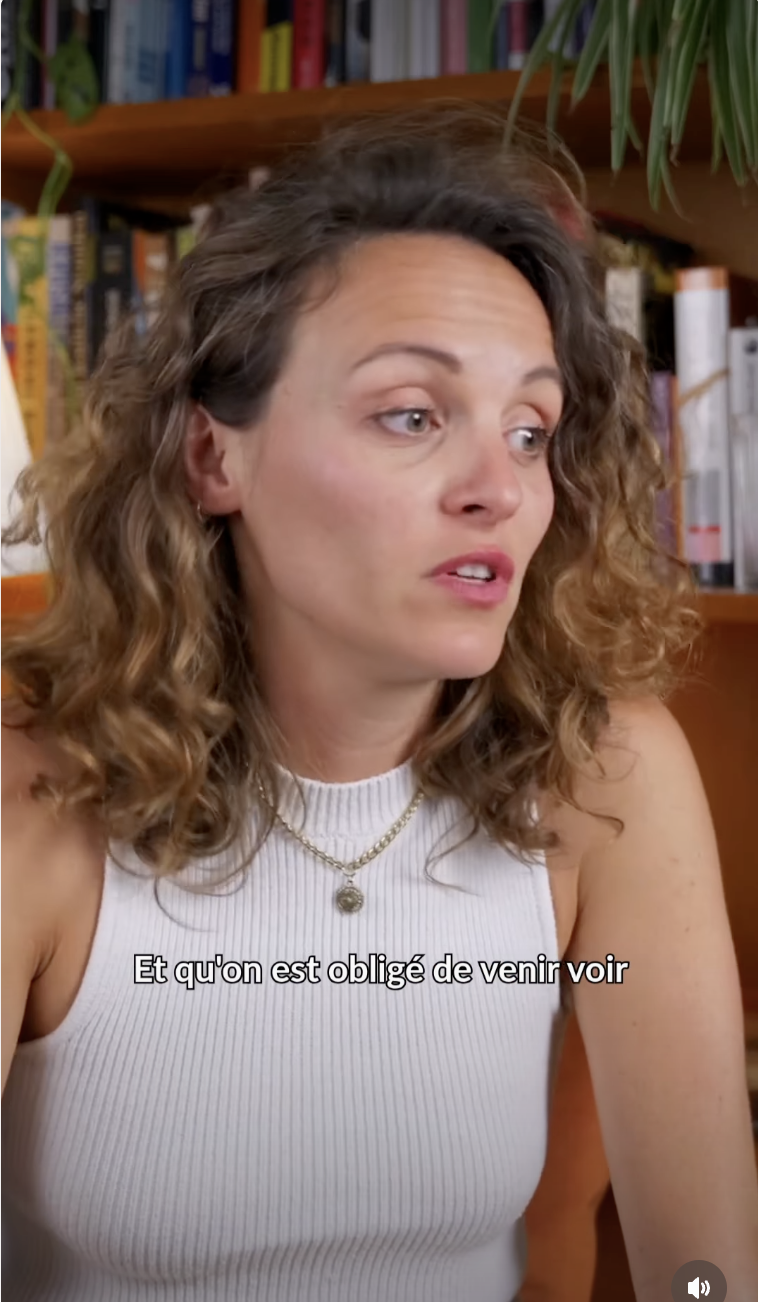
Source: https://www.instagram.com/reels/Da-B3y1CCV-/ — posted by @ce_quelles_ne_disent_pas, reproduced with her kind permission.
In the video, the young woman isn't saying she wants to be right.
She simply says:
"I don't feel listened to."
And that distinction changes everything. Being heard doesn't mean the other person shares your point of view. It means your emotion is recognized as legitimate. You can deeply disagree with someone… and still leave them feeling heard.
Conversely, you can be in perfect agreement on the facts… and still leave the other person feeling like they don't matter.
That distinction is essential. Because many relationships don't fall apart because people argue. They fall apart because people gradually stop speaking to each other with honesty.
Difficult conversations get put off. Frustrations build. Misunderstandings harden into certainties.
Then, one day, conflict erupts. But that conflict is often just the visible surface of an emotional distance that has been quietly growing for a long time.
This feels all the more important when children are involved.
Children don't just learn to talk.
They learn to communicate. They watch how the adults around them express emotions, navigate disagreements, apologize, repair — or instead, avoid the hard conversations altogether.
The way we communicate today often shapes the way they will communicate tomorrow.
At Kiido, we believe that support for families shouldn't begin only when a separation is already underway or a crisis has erupted.
It should begin much earlier. From the moment you sense that dialogue is becoming harder. When certain subjects start getting avoided. When you no longer quite feel heard.
That's often where everything is decided. Because sometimes, the start of a stronger relationship doesn't come from the absence of conflict.
It begins simply with finally feeling heard.
Credit and thanks to @ce_quelles_ne_disent_pas for this thought-provoking video, which inspired us to keep exploring these ideas.